
Lake Abert, a Story of Climate Change in Eastern Oregon
$ 49.50
Indian rupee (₹) - INR
Lake Abert and climate change. Under the glare of a blazing summer sun, a thick crust of alkali salt is all that remains of Lake Abert after decades of drought and government agency mismanagement. Lake County, Southeast Oregon. Lake Abert: A Shifting Landscape and Environmental Crisis in Eastern Oregon. Lake Abert, nestled in the arid landscapes of eastern Oregon, is a unique and fragile ecosystem that has long captured the attention of scientists, conservationists, and nature enthusiasts. This shallow, saline lake, part of the Great Basin, serves as an important habitat for migratory birds and other wildlife. However, in recent years, Lake Abert has faced a severe environmental crisis. Declining water levels, increased salinity, and the resulting ecological impacts highlight the challenges of balancing human needs with environmental sustainability in a region already vulnerable to water scarcity. Lake Abert is one of Oregon’s few remaining saltwater lakes, formed over millennia as part of the expansive prehistoric Lake Chewaucan. The lake is fed primarily by the Chewaucan River, with no natural outlet, causing water to evaporate and concentrate salts and minerals. This unique hydrology creates a hypersaline environment that supports a specialized ecosystem. Brine shrimp (Artemia franciscana) and alkali flies thrive in Lake Abert’s salty waters, forming the base of a food web that supports tens of thousands of migratory birds, including avocets, sandpipers, and phalaropes. These birds rely on the lake as a critical stopover during their long migrations along the Pacific Flyway. In recent decades, Lake Abert has experienced dramatic declines in water levels, with some years seeing the lake shrink to a fraction of its former size or even dry out entirely. This has left vast expanses of exposed lakebed, transforming what was once a vibrant habitat into a desolate landscape. The primary cause of these declines is reduced inflow from the Chewaucan River. Upstream water diversions for agriculture and irrigation have significantly reduced the volume of water reaching the lake. Climate change exacerbates this issue, with rising temperatures and shifting precipitation patterns leading to prolonged droughts and reduced snowpack—critical sources of water in this high-desert region. As water levels drop, the concentration of salts in the lake increases, pushing the salinity beyond levels that brine shrimp and alkali flies can tolerate. Without these keystone species, the entire ecosystem collapses, leaving migratory birds without the food resources they depend on. The exposed lakebed poses additional challenges. Fine sediments and salts can become airborne, contributing to dust storms that degrade air quality and pose health risks to nearby communities. These conditions mirror environmental crises in other terminal lakes, such as California’s Salton Sea and Utah’s Great Salt Lake, underscoring the broader implications of water mismanagement in arid regions. The effort to restore Lake Abert’s fragile environment, largely hinges on water management of the Chewaucan River. Addressing the crisis at Lake Abert requires coordinated efforts to restore water inflows and improve watershed management. Conservation organizations, scientists, and government agencies have called for more sustainable water allocation practices, including reducing upstream diversions and implementing water-saving technologies in agriculture. Restoration projects that focus on protecting riparian habitats along the Chewaucan River could enhance water flow to the lake while benefiting local biodiversity. However, balancing the water needs of agriculture, wildlife, and human communities remains a contentious issue in the region. Ongoing research and monitoring efforts are critical to understanding the complex dynamics of Lake Abert’s ecosystem. Scientists are studying the impacts of climate change, salinity thresholds, and hydrological changes on the lake to inform conservation strategies. Public awareness campaigns aim to draw attention to the lake’s plight and garner support for policy changes that prioritize its protection. The crisis at Lake Abert serves as a stark reminder of the challenges posed by water scarcity in arid regions. Similar to other terminal lakes around the world, Lake Abert highlights the interconnectedness of water management, climate change, and ecosystem health. Without immediate action, the lake risks becoming another cautionary tale of environmental degradation driven by human activities and a changing climate. Lake Abert is a unique and irreplaceable feature of Oregon’s natural heritage. Its decline underscores the urgency of addressing water management and environmental sustainability in the face of climate change and competing demands. Protecting Lake Abert will require collaboration among stakeholders, innovative solutions, and a commitment to balancing human needs with the preservation of one of the Pacific Northwest’s most distinctive ecosystems. Only by taking decisive action can we ensure that Lake Abert remains a sanctuary for wildlife and a symbol of resilience in an increasingly fragile world. Climate Change, Drought, Lake Abert, Lake County, Southeast Oregon
Related products
-
 Lake Abert, a Story of Climate Change in Eastern OregonAdd to cart
Quick View
Lake Abert, a Story of Climate Change in Eastern OregonAdd to cart
Quick View -
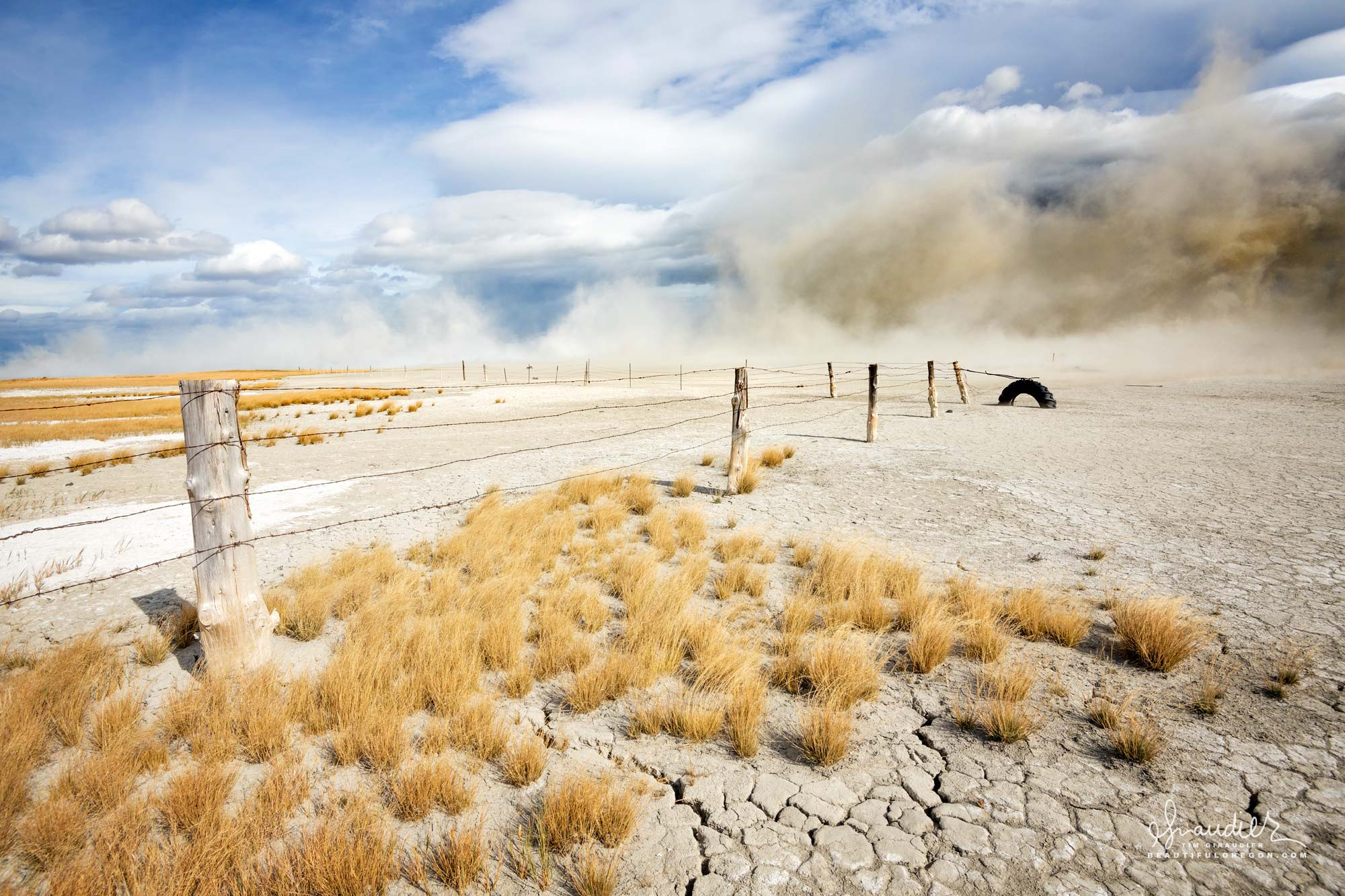 Dust Storm Over Summer LakeAdd to cart
Quick View
Dust Storm Over Summer LakeAdd to cart
Quick View -
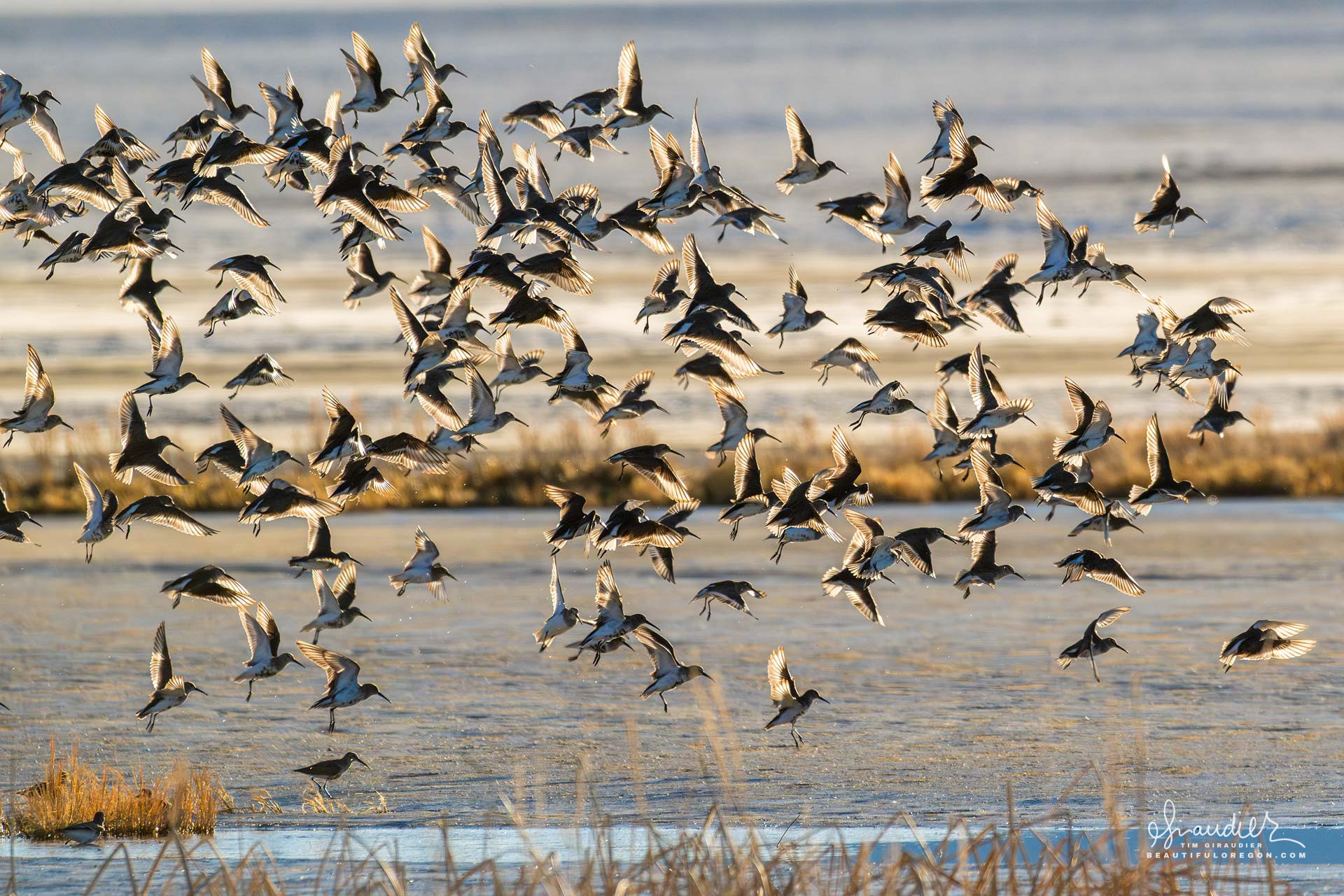 Dunlin shore birds of Oregon and the PNWAdd to cart
Quick View
Dunlin shore birds of Oregon and the PNWAdd to cart
Quick View -
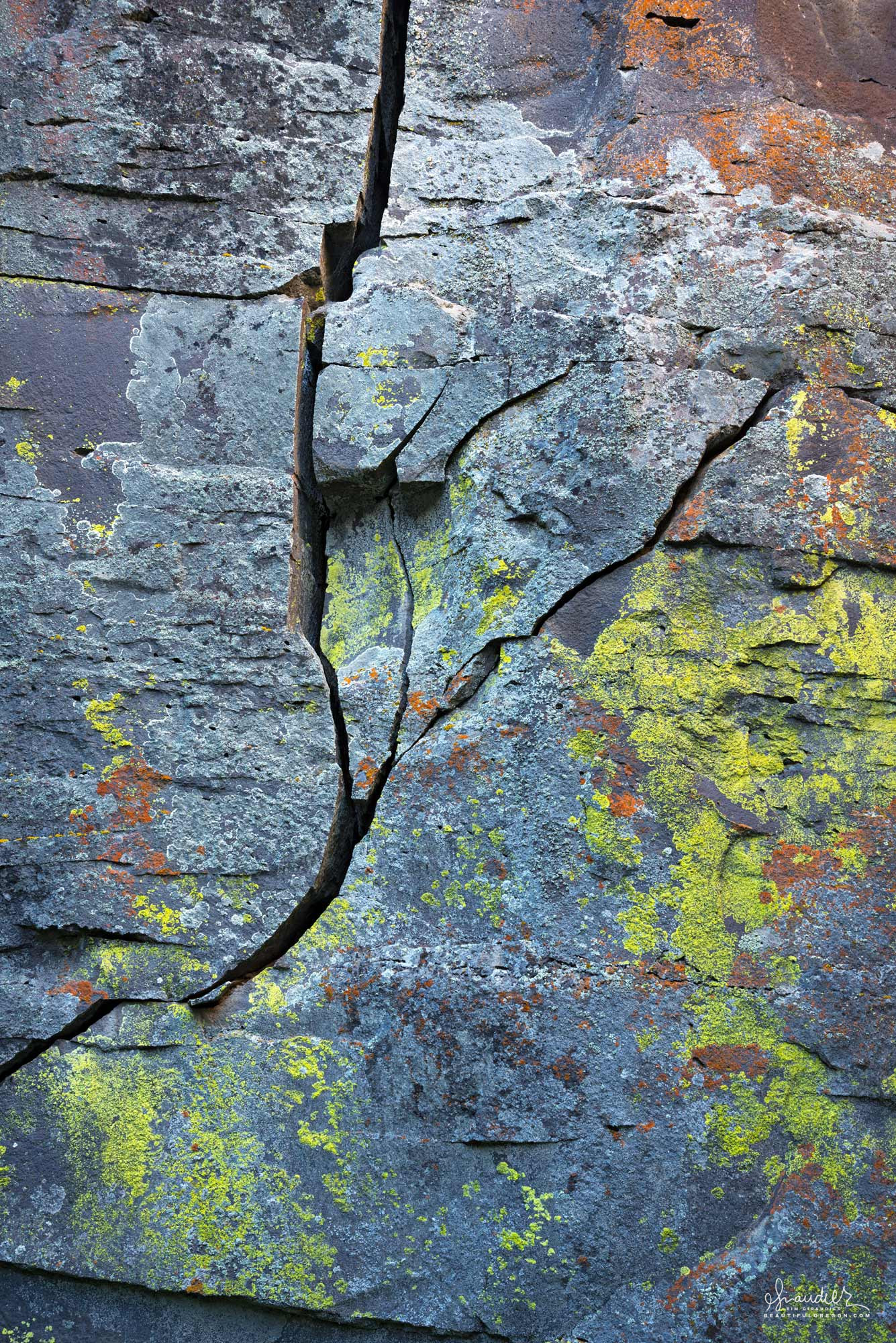 Colorful Lichen from Crack in the GroundAdd to cart
Quick View
Colorful Lichen from Crack in the GroundAdd to cart
Quick View -
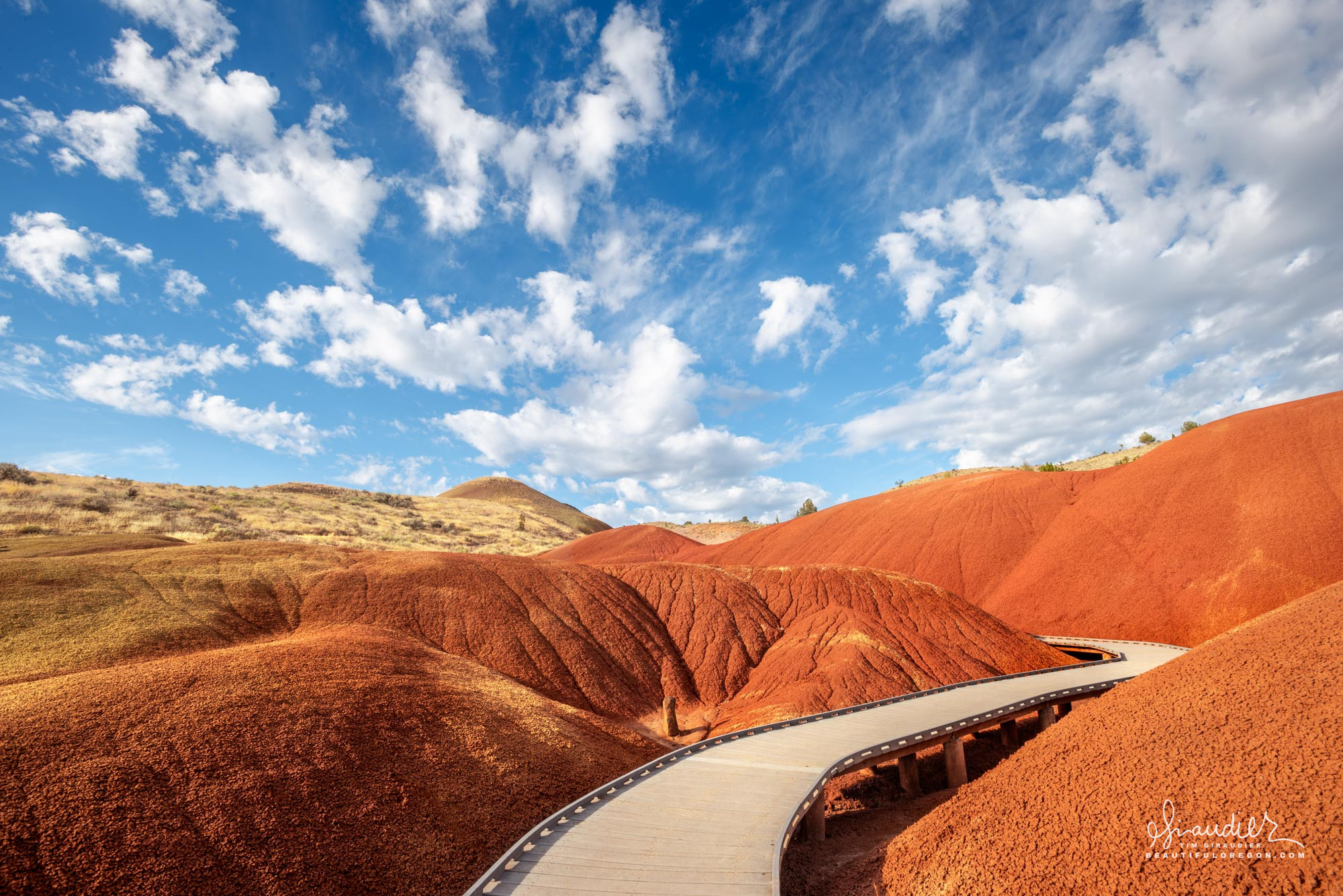 The Painted Hills – John Day Fossil Beds National MonumentAdd to cart
Quick View
The Painted Hills – John Day Fossil Beds National MonumentAdd to cart
Quick View -
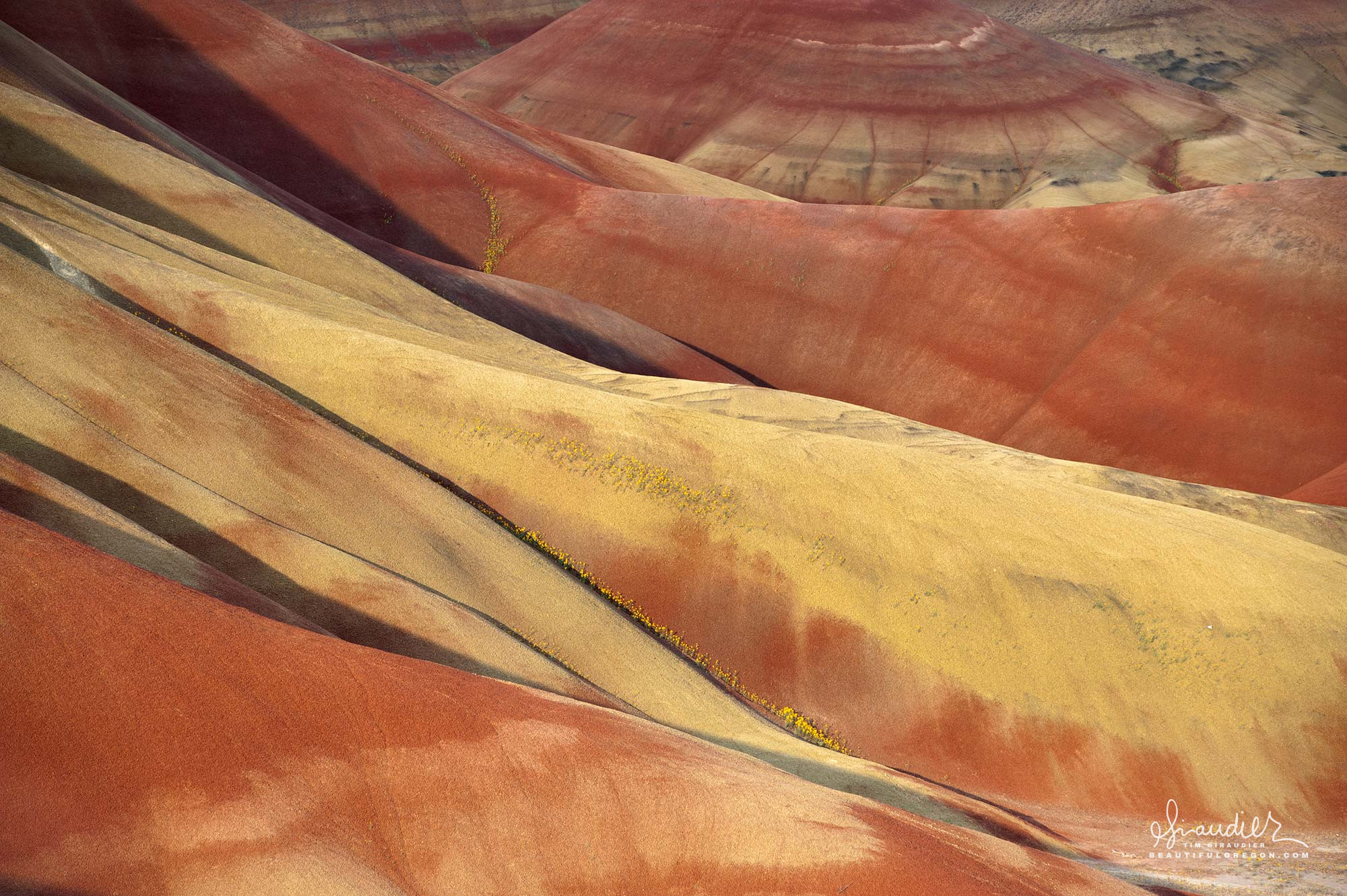 Painted Hills – John Day Fossil Beds National MonumentAdd to cart
Quick View
Painted Hills – John Day Fossil Beds National MonumentAdd to cart
Quick View -
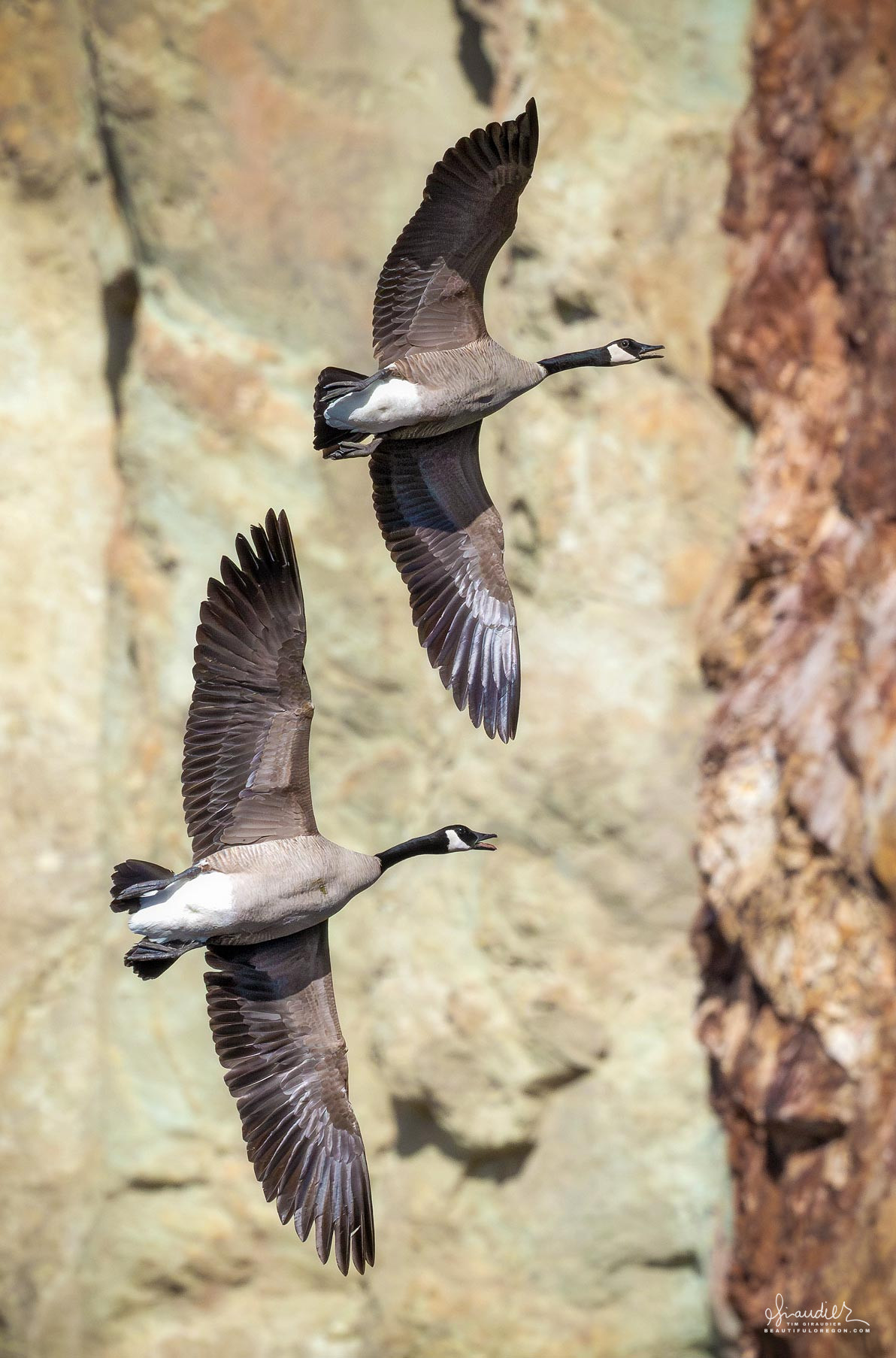 Canada Geese – Smith Rock – Central OregonAdd to cart
Quick View
Canada Geese – Smith Rock – Central OregonAdd to cart
Quick View