
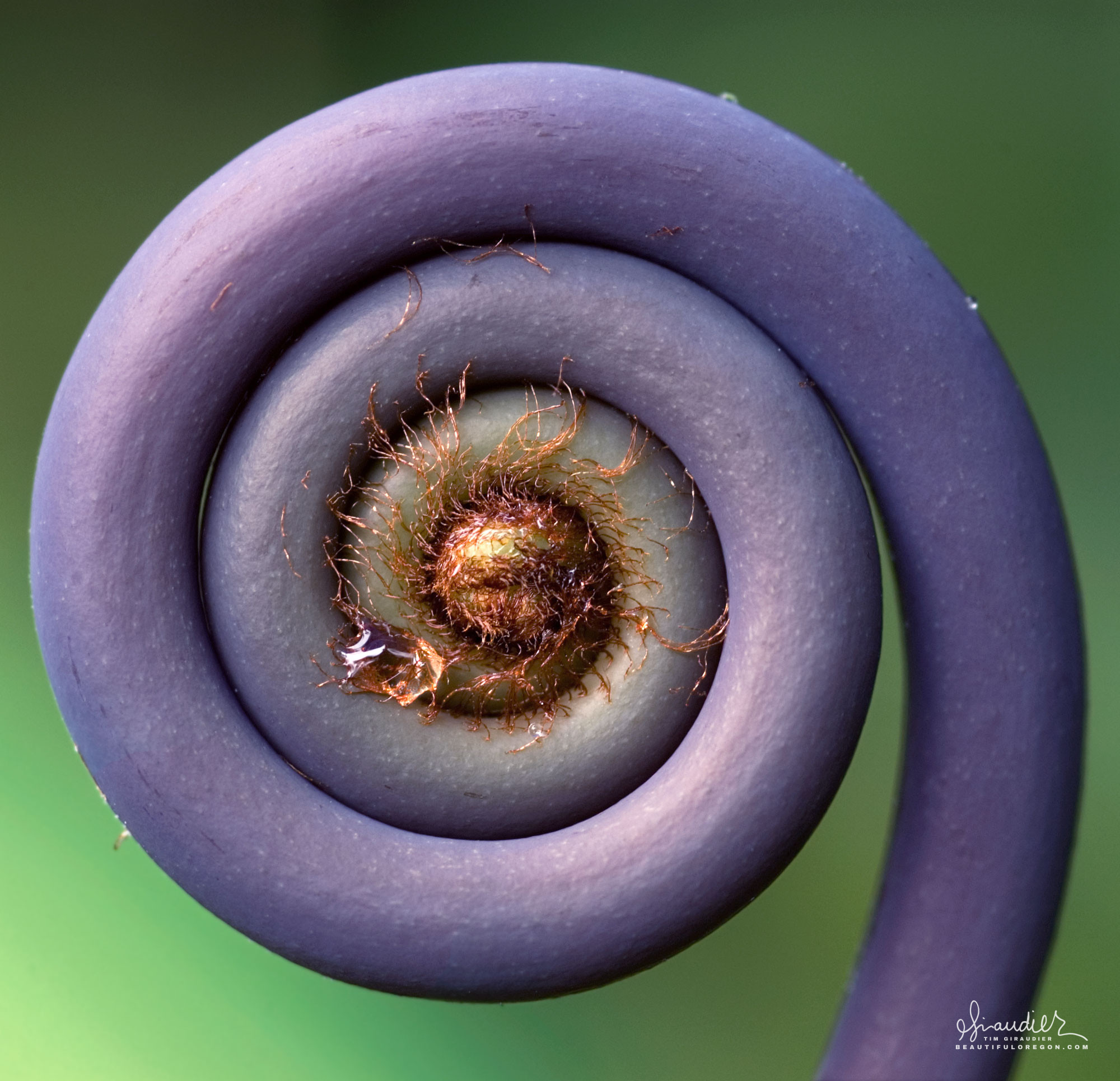
Uluhe Fern (Dicranopteris linearis) – Ferns of Hawaii
$ 54.90
& Livraison gratuite plus de 60€Description An Uluhe Fern (Dicranopteris linearis) begins to unfurl its frond at Volcano National Park, Big Island of Hawaii. If interested in blank greeting cards of this image, you can find them in my Note Card Gallery here. Uluhe: The Tangled Fern of Hawaiʻi Among the dense, rain‑nourished landscapes of Hawaiʻi, the uluhe fern (Dicranopteris linearis) weaves itself into the fabric of both ecology and culture. Known for its sprawling, impenetrable thickets that can overtake entire hillsides, the uluhe is at once a symbol of resilience and a practical resource. Its story is one of both botanical intricacy and cultural depth, showing how a single plant can shape the lived experience of the islands. Botanical Characteristics Uluhe is not a delicate fern. Instead, it thrives as a vigorous, scrambling groundcover, often dominating open slopes and disturbed areas across the Hawaiian archipelago. Belonging to the Gleicheniaceae family, Dicranopteris linearis is a sun‑loving species that flourishes where native forests have been cleared or where volcanic activity has opened the canopy. Its long, wiry fronds radiate outward from creeping rhizomes, creating dense mats that can extend for acres. Each frond divides repeatedly into forked segments, forming a pattern that resembles branching antlers. The plant is remarkably adaptive. It does not grow well in the deepest shade of mature forest but thrives in edge zones, landslides, and areas disturbed by human or natural forces. In these places, uluhe helps stabilize the soil, its thick mat of roots anchoring slopes against erosion. Its tangle provides shelter for insects and nesting habitat for native birds, though its dominance can also suppress the regeneration of slower‑growing native shrubs and trees. Ecological Role Uluhe plays a paradoxical role in Hawaiian ecosystems. On the one hand, it is a native species, deeply integrated into the islands’ natural history. On the other, its aggressive growth often hinders the recovery of other native plants after disturbance. In some areas, uluhe forms a nearly continuous cover that discourages young trees from taking root, effectively creating a “fern desert.” Yet in the absence of heavy disturbance, it yields space to taller vegetation, acting as a temporary but crucial pioneer species. Its presence is especially notable in the wet windward regions of islands such as Oʻahu, Kauaʻi, and Hawaiʻi Island, where annual rainfall is high. Hikers quickly learn the challenge of pushing through uluhe, which can rise head‑high and form a nearly impassable thicket, its wiry stems scratching exposed skin. Despite these difficulties, uluhe landscapes are part of the quintessential Hawaiian experience, particularly on trails ascending into cloud forest zones. Ethnographic and Cultural Uses For Native Hawaiians, uluhe was more than a tangle to be cut through. It was a material resource woven into daily life. One of its primary uses was as a lining for the traditional imu, the underground oven used to cook feasts for ceremonies and community gatherings. The fronds provided both insulation and moisture retention, protecting food as it steamed slowly beneath layers of heated stones and earth. The fern’s wiry stems also found use in house‑building and bedding. Uluhe could be cut and layered to form a resilient matting beneath sleeping areas, providing both cushioning and insulation against damp ground. Its coarse fronds, when dried, served as a readily available resource for kindling. In Hawaiian ethnobotanical traditions, uluhe was sometimes employed medicinally, though not as prominently as plants such as kī (ti) or ʻawa. Certain practitioners used infusions of its young fronds for minor ailments, while others saw the fern more symbolically, associating its entangling growth with the challenges of spiritual or emotional entrapment. In chants and poetry, the image of uluhe could represent the difficulties of navigating through hardship, where only persistence allows one to break through the dense thicket. A Living Symbol Today, uluhe remains a visible presence in the Hawaiian landscape, though its relationship to people has shifted. Modern hikers often see it as an obstacle, a marker of how wild and untamed a trail remains. Conservationists view it with ambivalence: valuable for soil stability yet problematic where it inhibits forest restoration. But to walk through uluhe is to encounter one of the plants most emblematic of Hawaiʻi’s middle elevations, a reminder that the islands’ beauty is as much about resilience as about serenity. In the intertwining of its fronds lies a quiet lesson — that landscapes, like cultures, are formed as much by what holds them together as by what occasionally seems to stand in the way.
Produits similaires
-
CAMERA PTZ CANON CR-N700 NOIRE $ 99.61