
Huckleberries Indigenous Native Foods
$ 49.50
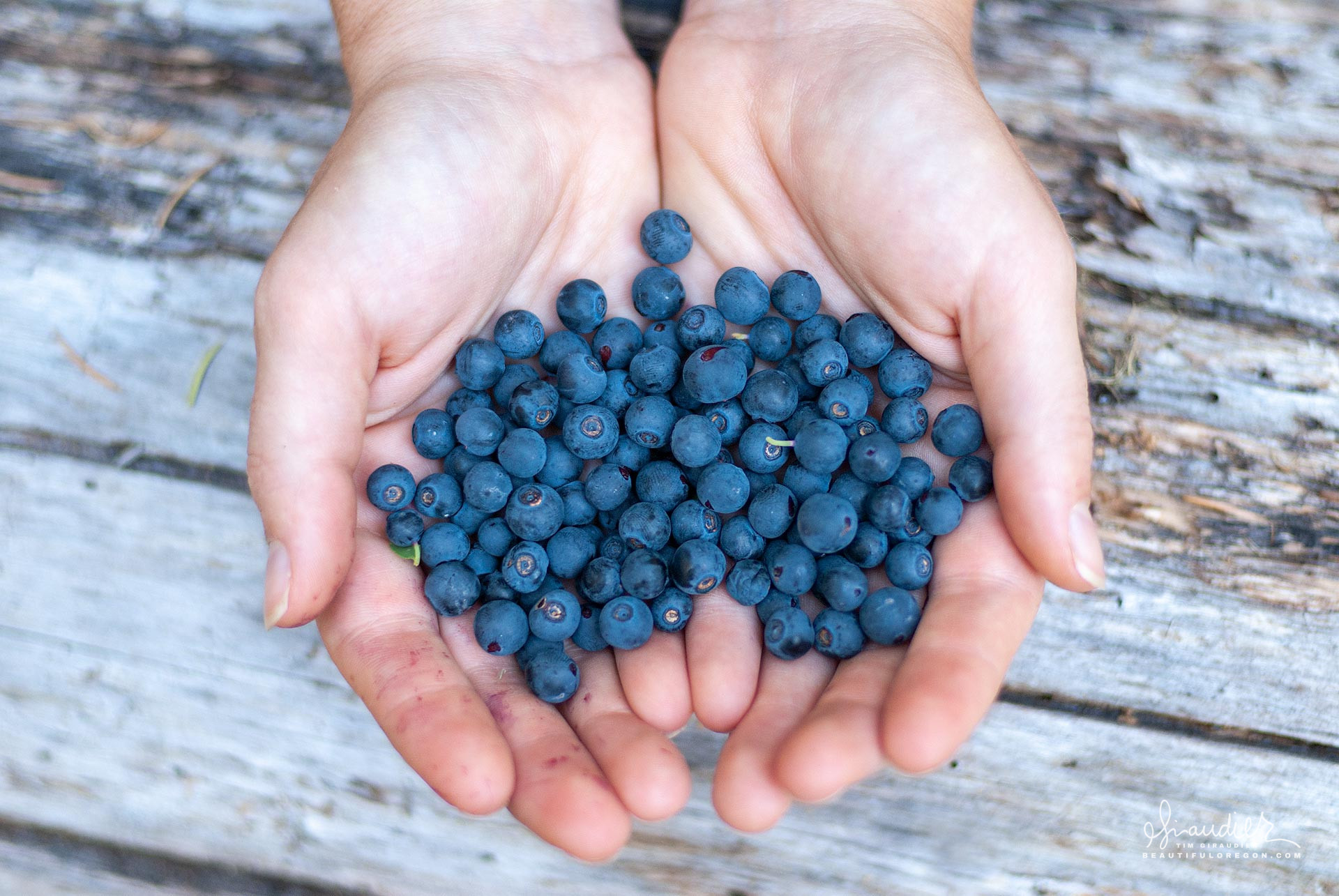
& Livraison gratuite plus de 60€Indigenous Huckleberry Gathering in the Oregon Cascades: Historical Traditions and Contemporary Practices The gathering of huckleberries (Vaccinium spp.) has been a cornerstone of Indigenous lifeways in the Oregon Cascades for thousands of years, deeply embedded in seasonal movements, food systems, land management practices, and cultural identity. Among the tribes historically and presently associated with these practices are the Confederated Tribes of Warm Springs, the Yakama Nation, the Confederated Tribes of Grand Ronde, the Klamath Tribes, and other members of the Columbia Plateau and Western Oregon cultural areas. These communities continue to view huckleberry gathering not only as a source of nourishment but as a ceremonial, social, and spiritual tradition linked to land stewardship and ancestral knowledge. Prior to colonization, tribal families in the Oregon Cascades followed seasonal rounds that moved them through a diverse array of ecosystems—from river valleys in winter to montane and subalpine meadows in summer and early fall. Huckleberry season, typically beginning in late July and extending through early September depending on elevation and weather, was one of the most anticipated periods of the year. It marked a time of both subsistence gathering and communal gathering, when extended families and multiple tribal groups would meet in high mountain meadows to harvest berries, hold ceremonies, trade goods, and renew social ties. Key traditional gathering sites included areas on and around Mount Hood, Mount Jefferson, Olallie Butte, Huckleberry Mountain, and the slopes of Mount Adams (just north of the Columbia River in present-day Washington). Some of these sites, such as the well-known “Indian Heaven” area in the Gifford Pinchot National Forest, were so productive and culturally significant that intertribal agreements—both formal and informal—regulated their use. Long-term huckleberry camps were established in these areas, where families would stay for weeks at a time. Food was processed on-site, with berries often being dried on bark or woven mats to preserve them for winter use or for trade. The abundance and health of huckleberry meadows were historically maintained through the strategic application of fire, a cornerstone of Indigenous land management. Low- to moderate-intensity burns were applied periodically to prevent encroachment by conifer seedlings and shrubs, recycle nutrients into the soil, and stimulate berry productivity. These cultural burns created and sustained the open-canopied forest conditions and meadow environments in which huckleberries thrive. Traditional Ecological Knowledge (TEK), passed down orally over generations, included detailed understanding of berry phenology, climate patterns, wildlife interactions, and the microecologies of productive berry patches. Elders and gatherers knew when and where different varieties ripened and how weather affected yields. Huckleberry grounds were often tended and visited regularly, not only during harvest season, but throughout the year to observe changes and prepare the land. With the advent of settler colonialism in the 19th century, these practices were severely disrupted. The creation of reservations displaced Indigenous peoples from many of their traditional berrying grounds. The establishment of the U.S. Forest Service and National Park Service in the early 20th century brought additional restrictions. Access to traditional huckleberry sites was often criminalized, and fire suppression policies rapidly degraded the open conditions necessary for huckleberry growth. As conifer forests closed in over the meadows and berry grounds were logged, grazed, or developed, the productivity of these culturally managed landscapes declined significantly. Some tribes retained access through treaties or long-standing use, while others were pushed to practice gathering informally, often risking legal penalty. Oral histories from Warm Springs and Yakama elders recount periods when families would sneak into closed areas to maintain connection with the land and harvest berries as their ancestors had done. Contemporary Revitalization and Tribal-Federal Collaboration In recent decades, there has been a resurgence of tribal engagement in huckleberry gathering and land stewardship in the Oregon Cascades. This revival has been driven by a broader movement of Indigenous cultural reclamation, food sovereignty, and environmental justice. Tribal nations have increasingly partnered with federal land managers to reassert treaty rights, co-manage ancestral gathering areas, and restore traditional land practices, including the use of cultural fire. One prominent example is the collaboration between the Confederated Tribes of Warm Springs and the U.S. Forest Service in the Mount Hood National Forest. These efforts include joint planning for cultural burns, restoration thinning of overgrown forests, and protection of traditional gathering areas from recreational overuse or habitat fragmentation. In the Indian Heaven Wilderness and surrounding areas, the Yakama Nation has led similar efforts to preserve and manage huckleberry fields through both scientific and traditional methods. Annual huckleberry gathering remains an important practice today. Many tribal members return each summer to ancestral berrying sites—some now formally recognized as “Indian berry fields” on public lands. In these landscapes, harvesting continues in accordance with tribal customs, and the experience provides an opportunity for intergenerational learning, ceremonial observance, and reconnection with the land. For many, huckleberries are more than food—they are kin, part of the web of life that sustains people physically, culturally, and spiritually. The history of huckleberry gathering in the Oregon Cascades is a testament to the resilience of Indigenous cultures and their deep-rooted connection to place. Despite centuries of displacement and environmental change, Native communities have sustained and revitalized their relationships with huckleberry landscapes through traditional knowledge, ceremony, and ecological stewardship. Today, as collaborative forest management evolves and fire is increasingly recognized as a necessary ecological tool, the long-standing Indigenous role in tending these berry-rich mountain meadows is gaining renewed respect and support. Huckleberries, Wild Harvest
Produits similaires
-
Camera Canon ME20F-SHN $ 90.46